

MINI Brake Calipers

Disc Brake Caliper

Caliper


Bleeder Valve

Hub & Bearing Bolt

Carrier Repair Kit


Caliper

Carrier

Disc Brake Caliper Bracket Hardware Kit

Bleeder Valve

Brake Dust Shield Bolt
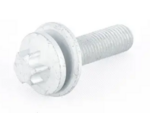
Caliper Support Bolt

Caliper
Caliper
Disc Brake Caliper


Caliper Repair Kit

Carrier

Brake Bleeder Screw Cap
Disc Brake Caliper Piston Boot

Caliper Support

Caliper

Caliper

Bleeder Valve Dust Cap
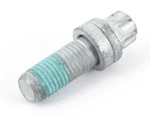
Caliper Support Bolt

Brake Bleeder Screw
Caliper

Caliper Support

Disc Brake Caliper Piston Boot

Disc Brake Caliper Piston Boot
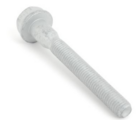
Hexagon Screw With Flange


Carrier Mount Bolt
Caliper

Caliper Support

Boot Kit
Caliper
No results found. Here are some helpful search tips:
- Search by a part name. Example: water pump.
- Be less specific. Example: brake instead of ceramic brake.
- Remove information such as make, year or model.
- Can't find the part you are looking for? Contact us and we'll find it for you!
TL;DR
MINI brake calipers apply pressure to the brake pads, allowing them to contact the rotors and slow the vehicle. A damaged, leaking, sticking, or incorrectly fitted caliper can affect braking behavior and pad wear. Select genuine MINI brake calipers using the VIN, model year, trim, axle, side, and factory brake package.
How MINI Brake Calipers Work
When the brake pedal is pressed, hydraulic pressure moves the caliper piston or pistons. This action presses the pads against the rotor. The caliper must move or apply pressure correctly, release as intended, and remain properly sealed under a wide range of driving conditions.
MINI brake configurations can vary by model, generation, engine, performance trim, wheel package, and production date. Cooper S and John Cooper Works applications may differ from other trims. Front and rear calipers also differ, and many are specific to the left or right side.
Related MINI Brake Parts
Signs a Brake Caliper May Need Inspection
Possible signs include uneven brake-pad wear, pulling during braking, unusual resistance while driving, fluid around the caliper, excessive heat near one wheel, or braking noises. These conditions can also result from issues with pads, rotors, hoses, wheel bearings, suspension parts, or other brake-system components. A careful inspection is necessary before selecting replacement components.
Why Choose Genuine MINI Brake Calipers?
Genuine MINI calipers are designed for the applicable mounting points, rotor dimensions, pad configuration, hydraulic connections, and factory brake system. Correct fit matters because the caliper works directly with the rotor, pads, hose, carrier, and wheel assembly. An incorrect caliper may look similar but differ in piston size, mounting geometry, or hydraulic specifications.
How to Choose the Right Brake Caliper
Confirm the full MINI model and trim, model year, VIN, production date, brake package, axle, and installation side. Determine whether the listing includes the carrier, hardware, or other supporting components. Review whether a core return or additional installation parts apply without assuming they are included.
Fitment and Brake-Service Guidance
Brake work affects vehicle safety and should follow the applicable MINI repair procedure. Inspect the pads, rotors, hoses, hardware, and brake fluid condition as part of the repair. Hydraulic systems may require proper bleeding after installing a caliper. Confirm all tightening specifications and service requirements before returning the vehicle to use.
Key Takeaways
- Brake calipers can be axle-, side-, trim-, and package-specific.
- Uneven pad wear or pulling requires diagnosis, not assumptions.
- Inspect related brake components during caliper service.
- Use the VIN and factory brake details to verify fitment.
Frequently Asked Questions
Are left and right MINI brake calipers interchangeable?
Usually not. Calipers may be designed for a specific side because of their mounting position, hydraulic connection, and bleeder location.
Do MINI Cooper and John Cooper Works models use the same calipers?
Not necessarily. Performance trims and brake packages may use different calipers, rotors, pads, and hardware. Verify the complete vehicle configuration.
Should brake pads be replaced with a caliper?
Inspect the pads for wear, heat damage, contamination, and uneven contact. Replace any components that do not meet the applicable service requirements.